Inside the AIdMD Clinical Workspace: Scribe, Insights, and Actions in One View
By AIdMD Team
Most clinical AI tools solve one slice of the visit. A scribe writes the note. A summarizer condenses the chart. A coding assistant suggests ICD-10 codes. Each helps — but clinicians end up stitching the pieces together themselves, switching between tools mid-visit.
The AIdMD clinical workspace takes a different approach: one view, organized around the patient in front of you, with documentation, insights, and follow-through working from the same context.
Before the visit: the chart, already read
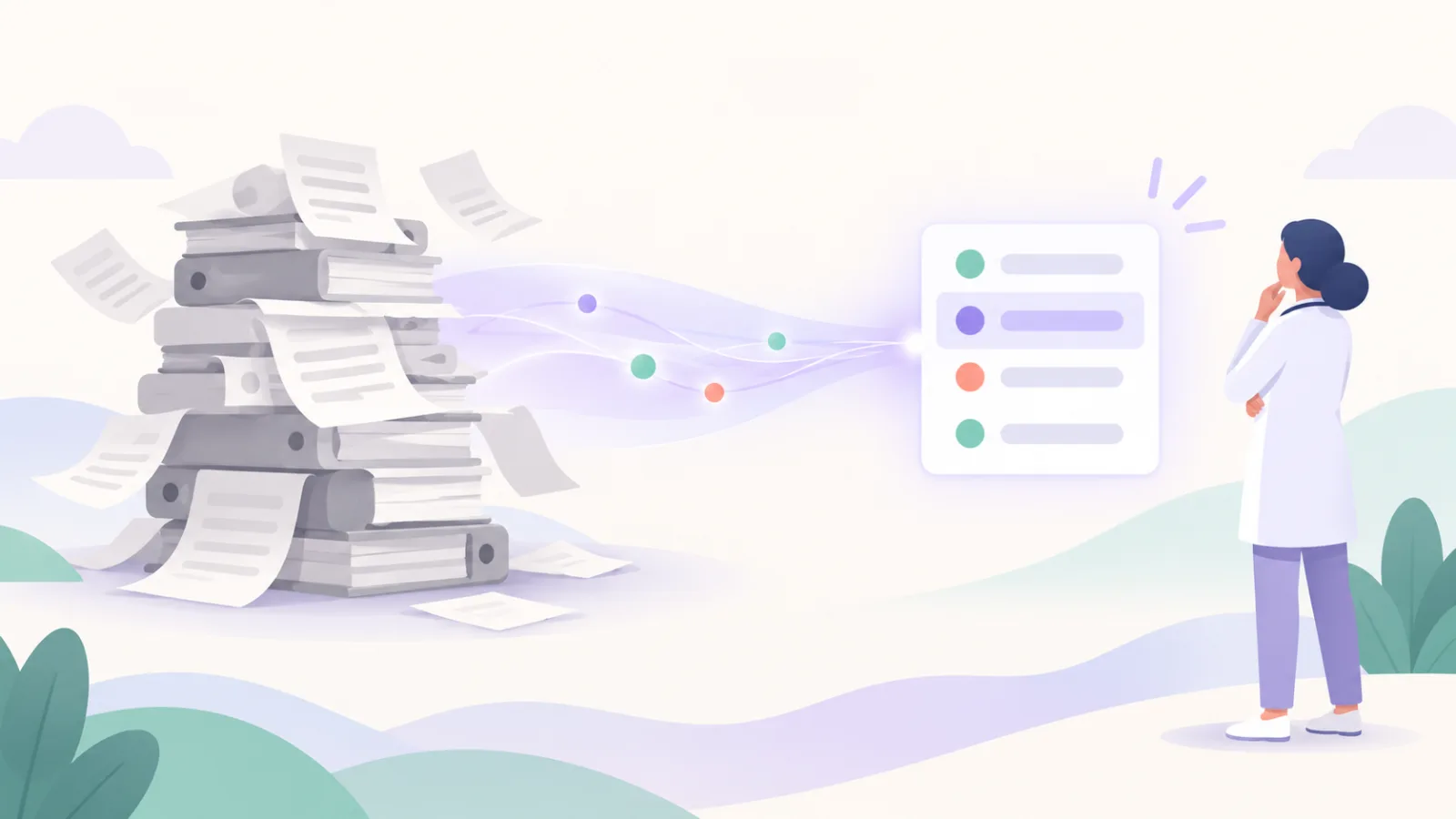
When you open a patient, the workspace surfaces a structured summary of what matters — active problems, medications, recent labs with trends, and open care gaps. Instead of scrolling through years of encounters, you walk in already oriented. Clinicians in our pilot programs consistently named pre-visit chart review as one of the biggest time sinks AIdMD removed.
During the visit: the scribe listens, you don't type
With patient consent, the ambient scribe converts the natural conversation into a structured clinical note — HPI, ROS, exam findings, and an assessment and plan — while you stay focused on the patient. The draft builds in real time, so by the time you wrap up, the note is substantially complete rather than waiting to be started.
Alongside the note: chart-aware insights
Because the workspace holds the patient's context, its suggestions are grounded in this chart, not generic templates. The insights panel can flag relevant history the conversation touched on, surface medication considerations, and support your differential — always as input to your judgment, never a substitute for it.
After the visit: from documentation to follow-through
The actions panel drafts the downstream work the visit generated: follow-up tasks, referral letters, patient instructions, and order-ready outputs. You review, edit, and approve each one. Nothing is filed, sent, or ordered without a clinician signing off — that principle is built into every workflow in the product.
One workspace, three ways to deploy
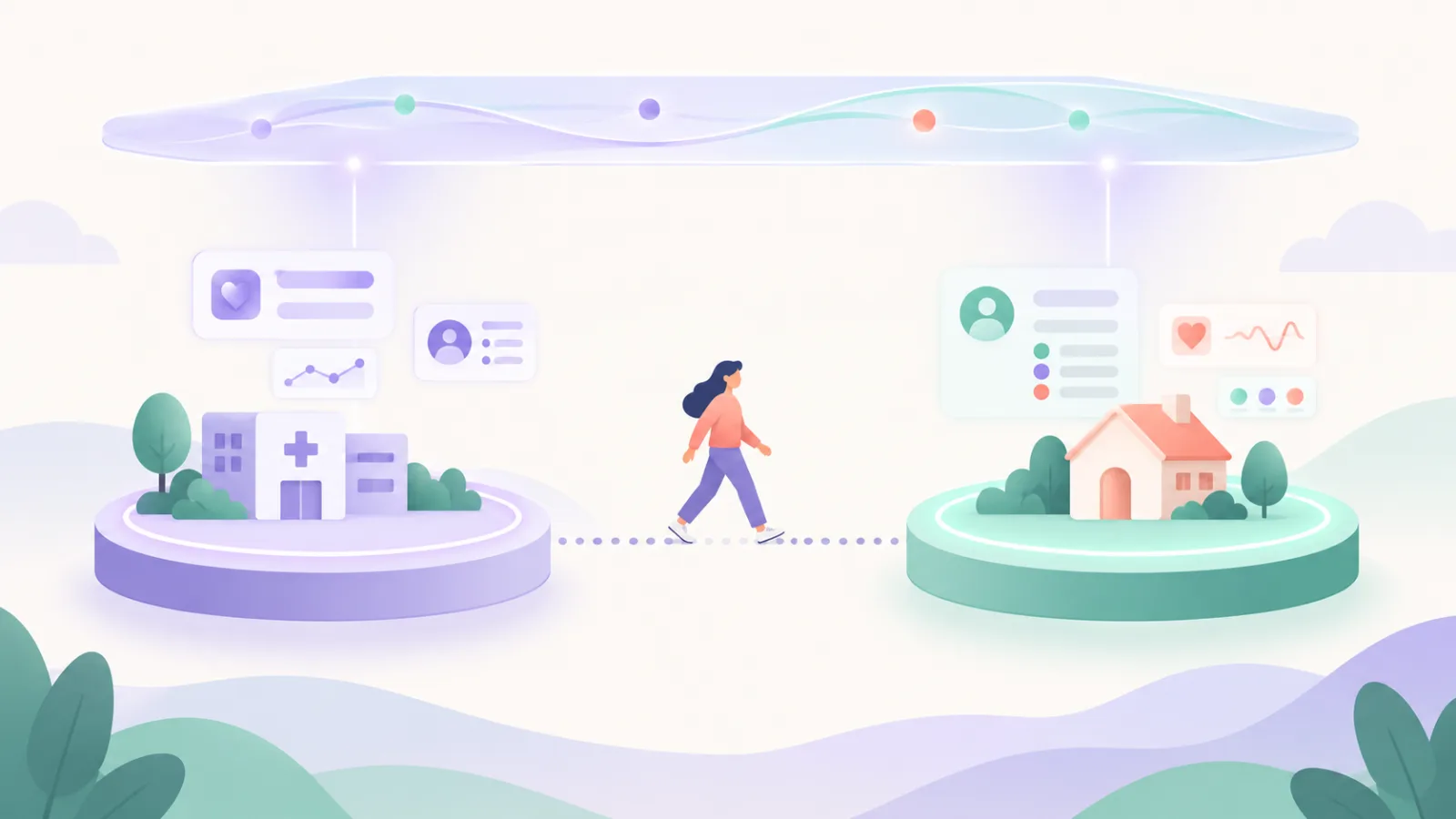
The same workspace powers all three AIdMD products. Insights Lite runs standalone with recordings and manual uploads — no EHR integration required. AIdMD Insights connects to the EHR you already use, pulling patient context automatically. And AIdMD EHR delivers the workspace inside a full AI-native EHR for practices ready to switch. Wherever you start, the visit experience is the same: walk in prepared, stay present, leave with the work done.
If you would like to see the workspace on your own workflows, schedule a personalized demo — our team will walk you through it and set your practice up with a free trial of Insights Lite.