How an AI Medical Scribe Works, From Conversation to Signed Note
By AIdMD Clinical Team
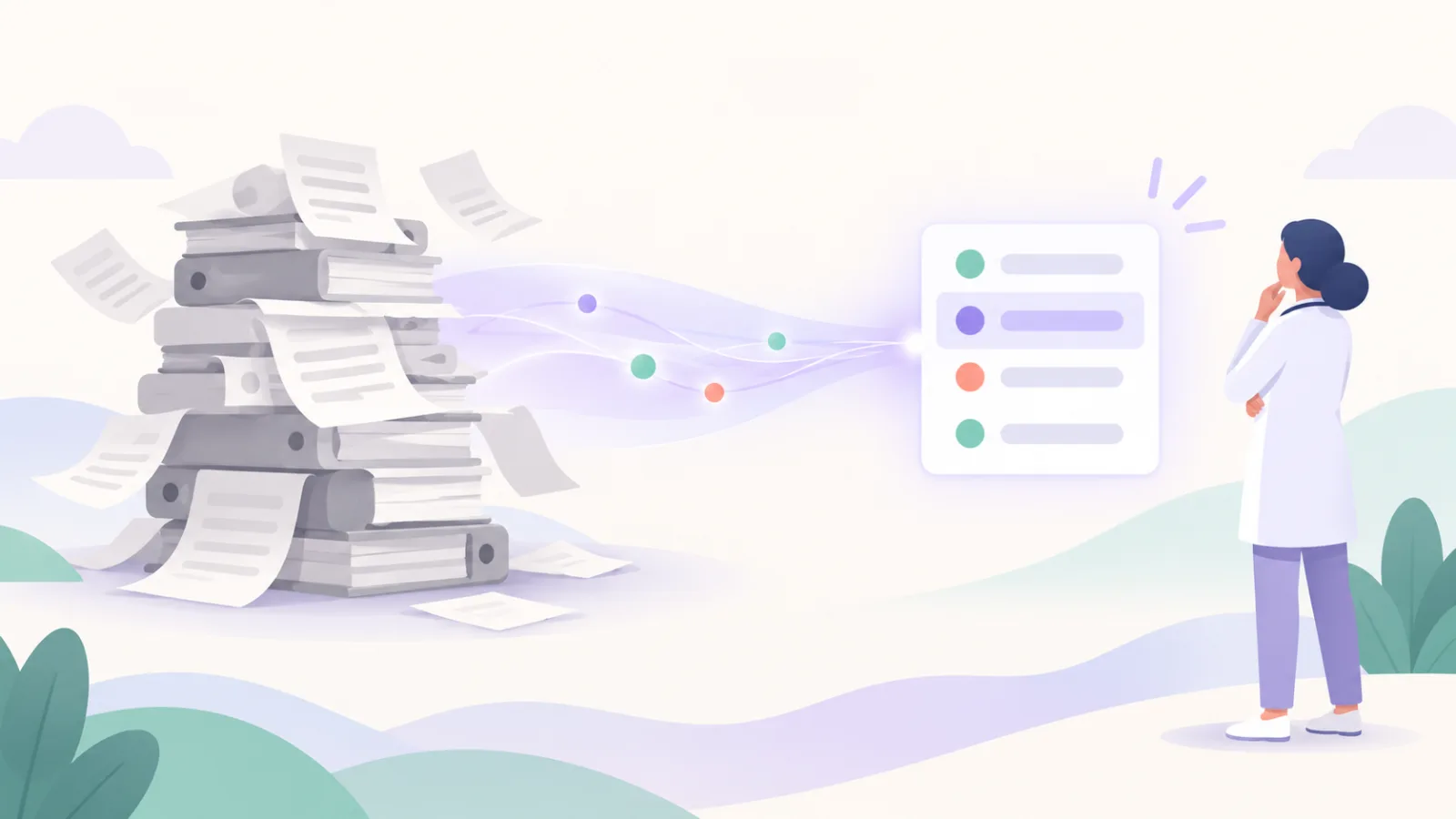
Ask a clinician what they would change about their day, and documentation usually tops the list. Notes written at 9 p.m., charts finished on weekends, visits spent half-typing. Ambient AI scribes exist to give that time back — but for many clinicians, how they work is still a black box. Here is the pipeline, step by step.
Step 1: Capture, with consent
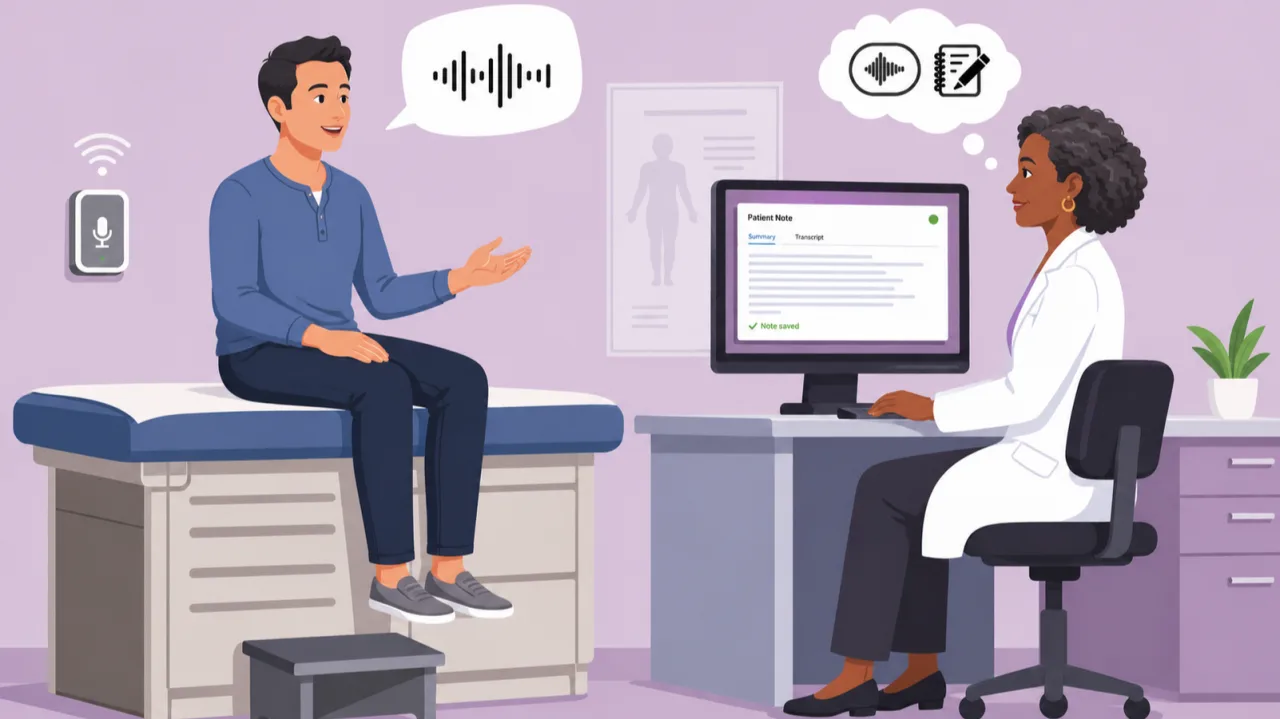
An ambient scribe listens to the natural visit conversation through a phone, tablet, or desktop microphone — after the patient has been informed and consented. There are no wake words and no dictation commands. The visit proceeds exactly as it would have, except no one is typing.
Step 2: Separating signal from conversation
A clinical conversation is not a note. It contains small talk, repetitions, interruptions, and history the chart already knows. The scribe's first job is understanding — distinguishing the chief complaint from the aside about a grandchild, recognizing that 'the pressure has been better since the new pill' refers to the lisinopril started last visit. Chart-aware systems like AIdMD use the patient's existing record as context, which is what allows the output to read like it was written by someone who knows the patient.
Step 3: Structuring the note
From that understanding, the system drafts a structured note in the format clinicians expect: history of present illness, review of systems, relevant exam findings, and an assessment and plan. Medication names, dosages, and lab values mentioned in conversation land in the right sections. The goal is a draft that is 90% done — organized, clinically phrased, and consistent with your documentation style — not a transcript you have to rewrite.
Step 4: The clinician reviews and signs
This step is not optional, and it should never be. The clinician reads the draft, corrects anything the conversation left ambiguous, adds clinical reasoning where needed, and signs. AI-generated text enters the record only after a clinician approves it. At AIdMD this is a hard product rule: drafts and recommendations support clinical judgment; they do not replace it.
What this means in practice
Across AIdMD pilot programs, clinicians report documentation time falling by 30–50%, with AI-assisted chart review and scribing saving 18–30 minutes per visit in many workflows. The deeper change is qualitative: visits where the clinician faces the patient instead of the screen, and evenings that no longer belong to the inbox.
What to look for in any ambient scribe
Whichever vendor you evaluate, three questions matter. Is the system chart-aware, or does it draft from audio alone? Is patient data protected — encrypted, access-controlled, audit-logged, and never used to train public AI models? And does every output pass through clinician review before it touches the record? If the answer to any of these is no, keep looking.